The way a woman feels about her body is not the same as the way she feels inside it. The first is shaped by how we view the world and how it is perceived, measured and interpreted. The second concerns her only: how she inhabits herself, and how she experiences her body when no one is looking.
that it tension Which follows many women throughout their lives; The constant work of separating external perception from its internal world, and distinguishing what is seen from what is felt. Learning to tune out the noise of expectations, filter out the weight of opinion, and choose comfort, presence, and ownership from within becomes a lifelong practice.
One of the most powerful ways for women Deepen Her sense of ownership within her body is informed by sexual wellness, which refers to feeling safe, informed, and comfortable regarding her sexuality and sexual health.
Where self-care is stripped of purely aesthetic ideals, sexual wellness recasts it as something internal and lived-in. It becomes less about how the body looks and more about how it works, organizes, responds and feels.
In this way, it is about respecting the relationship between body and soul.
Clinics such as Seoul Longevity Clinic It is part of growth a movement In Egypt, women’s wellness is being redefined through a more holistic lens, one that links confidence, vitality, and quality of life to pelvic health, hormonal balance, and sexual education rather than external beauty standards alone.
“Intimate health remains a sensitive topic in many societies,” says Reem Noman, founder of SOL Longevity Clinic. Egyptian streets. “For this reason, many women grow up without open conversations or proper education about their bodies. They are often left unsure about what is normal, what is abnormal, and what can actually be treated.”
The missing conversation in women’s health
Despite significant advances in access to healthcare, sexual health remains one of our top priorities least I discussed aspects of women’s health in Egypt and throughout much of the region.
Comprehensive sexual education It continues Limited, leaving large numbers of women without medically accurate information about their anatomy, reproductive cycles, or intimate health.
studies Run In 2024, researchers suggest that a large percentage of Egyptian women marry with minimal formal knowledge about sexual health, pelvic function, or what constitutes normal physiological experiences.
Medical professionals report that this knowledge gap is straightforward Effects Well-being. Many women Presumably Discomfort, pain, or changes in intimacy are unavoidable parts of womanhood and are not treatable medical concerns.
Silence is often inherited and perpetuated as a social condition. In conversations with Egyptian women Run By researchers in 2025, discussions about sexuality and first sexual experiences were largely absent within the home. Many women described growing up with little guidance, internalizing shame, fear, and uncertainty from an early age.
As a result, women are often left to navigate intimacy and relationships on their own, turning to informal or unreliable sources for clarity.
“Women are not always asked about these concerns during routine medical visits,” Nauman explains. “Many feel ashamed to raise themselves alone.”
This reluctance often creates a gap where common and manageable symptoms often go unreported and untreated.
“There is also a lack of clear, trustworthy education written in culturally appropriate language,” she adds. “Without reliable guidance, some women assume that discomfort or changes are simply something they have to endure.”
She stresses that increasing respectful and informed medical awareness makes a difference. It encourages women to seek support early and empowers them to make confident and informed decisions about their health.
Improving the sexual health of Egyptian women as well requires More than awareness alone. He calls for multi-layered, culturally sensitive education in clinics, schools and across digital platforms to normalize the conversation without sensationalizing it.
Initiatives such as MotherBeingwhich focuses on sexual health, and emerging AI-driven sexual health platforms are important steps forward, creating access points that appear discreet and accessible.
What still is often MissingHowever, it is a space where sexual health is treated not just as a medical issue to diagnose and solve, but as a holistic body experience. The model, which combines medical care with specialized physical therapy, especially pelvic floor therapy, recognizes that many concerns lie at the intersection between physical function, hormonal balance, and emotional well-being.
Sexual wellness as a lived experience
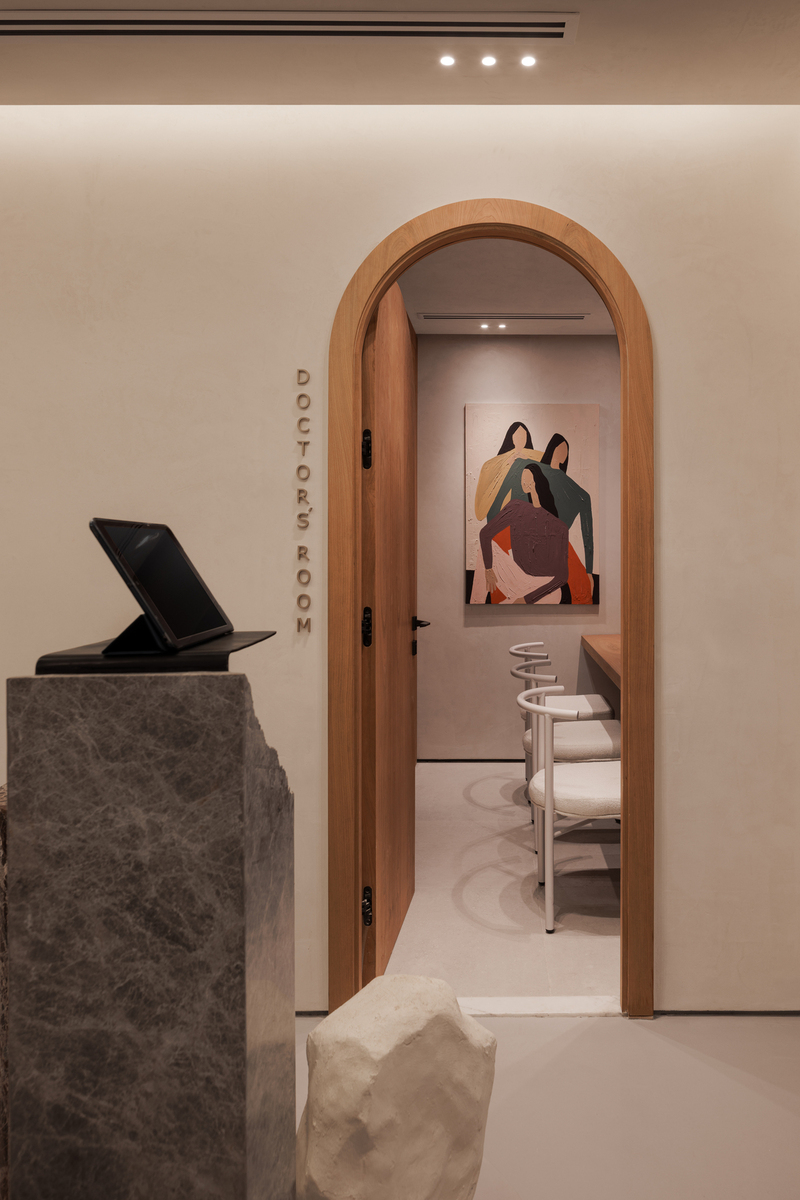
Rather than treating sexual wellness as a single event or something relevant only at one point in life, the Numan Clinic takes a life-span perspective, exploring how sexual wellness relates to a woman’s inner experience and the strength and health of her body and muscles.
“Women’s intimate health concerns often vary depending on their stage of life,” Nauman explains. “But a lot of it is related to pelvic floor health, hormonal changes, and overall physical comfort.”
Medical professionals Confirms Understanding anatomy and muscle function can significantly reduce fear, improve comfort, and reframe intimacy as a learned physiological experience rather than a source of stress.
“Many women worry that something is seriously wrong with them, when in fact their condition is common and responds well to appropriate medical evaluation, education, and targeted treatment,” Noman adds.
Pelvic floor muscles impact A woman’s body and sense of self throughout her life, shaping how she feels from the inside out. After pregnancy and childbirth, changes in muscle strength and tissue sensitivity are common, affecting strength, comfort and confidence. With targeted pelvic rehabilitation and medical support, these shifts can often be improved, restoring function and a sense of comfort within the body.
Later, during perimenopause and after menopause, hormonal changes and normal aging can lead to dry tissue, decreased elasticity, and weak pelvic muscles, which can affect physical comfort and confidence.
“These changes are part of the body’s natural life cycle, but with informed guidance and supportive treatments, women can maintain their strength, function, and solid sense of embodiment,” says Nauman.
Exercise, in this context, becomes more than just movement. It is a woman’s way of rebuilding her relationship with her body; To feel lighter, more supported from within, and more in control of how her body works.
Physical therapy is very similar to helping a person better regulate and understand their emotions Helps Women regulate and understand their physical responses. Strengthening and relaxing the pelvic floor allows a woman to feel where there is tension, where there is weakness, and how to gently restore balance.
“Under the medical guidance of specialists, treatment plans may also include supportive techniques,” she adds, noting that all are available at the SOL Longevity Clinic, “such as the EMSella Chair, which uses non-invasive electromagnetic stimulation to strengthen the deep pelvic muscles.”
When combined with hands-on physical therapy and medical care, this integrated approach supports pelvic function, comfort, and overall well-being in a way that feels safe and empowering.
Rather than treating isolated symptoms, it helps women feel stable and in control of their bodies, strengthening not only muscles, but also their sense of self and confidence.
In doing so, it reframes sexual wellness from something seen as untreatable to something that women can nurture on their own, integrating it into their identity rather than experiencing it as something separate from who they are.